
Best Guide to Visiting Canyonlands National Park
Visiting Canyonlands National Park is one of the Utah National Parks that make up the Utah Mighty 5 along with Arches National Park, Bryce Canyon, Zion National Park, and Capitol Reef National Park. These 5 parks make a truly epic Utah road trip full of beautiful sights, amazing hikes and so many things to see and do.
If you’re visiting southeastern Utah make sure you visit Canyonlands National Park.
Canyonlands is one of many US National Parks that I’d never heard of before our 3-month USA road trip but it was one of my favorites due to the sheer vastness of the scenery.
One thing to know about Canyonlands is that it’s massive. To help you navigate this massive National Park, you’ll find the ultimate guide to Canyonlands National Park Utah including what to see, where to hike, where to stay nearby, and all the information you’ll need about permits, camping, questions like “do you need reservations for Canyonlands National Park?” and more.
If you’ve been wondering what to do in Canyonland National Park, you’ll wonder no more!

About Canyonlands National Park
Canyonlands National Park is just one of the many Utah National Parks. It’s 337,598 acres of colorful canyons, mesas, buttes, fins, arches, spires, and rivers in southeast Utah’s high desert.
It’s close to Arches National Park but the scenery is very, very different.
The park is split into four districts and Horseshoe Canyon. All these areas are divided by the Green and Colorado Rivers. You’ll find a desert atmosphere in each district, but they’re all different too in their own way.
Because of the fact they’re divided by rivers and canyons, getting to and from each district can be difficult. You can’t get from one to another from within the park.
You need to go back out of the park and drive around it to get to another district. Because of this, it can take 2 – 6 hours by car to get from one district of Canyonlands National Park to another.
Permits passes & fees for Canyonlands National Park
Canyonlands National Park Entrance fees
The Canyonlands entrance fee is $30.00 per car, or $15 per person with no car (i.e. if you’re cycling or hiking). The pass covers you for all of the Canyonlands National Park districts.
You can also get a Southeast Utah Parks Annual Pass if you’re planning on visiting lots of National Parks in Southeast Utah for $55.
Canyonlands Permits
There are a few different types of permits for Canyonlands National Park
- Day Use permits: Required for 4x4s, motorbikes, and bicycles when traveling on White Rim Road (Island in the Sky district) and Elephant Hill, Lavender Canyon, and Peekaboo/Horse Canyon roads (The Needles district). There’s usually no fee for day-use permits, just the cost of entrance
- Overnight backcountry permits: Anyone planning an overnight trip into the backcountry must have a backcountry permit. These permits cost $30. You do not need to reserve in advance, but it’s recommended for the more popular routes.
- River permits: Any trip on the rivers requires a river permit which costs a $30 reservation fee + $20 per person
- Horseback Riding: Horse riders require a permit for Canyonlands too. Day-use permits are free, and overnight ones cost $30.
All information on Canyonlands permits can be found online on the National Parks Service website.
Canyonlands National Park camping fees
If you want to stay at a ‘proper’ campsite check out these Canyonlands camping sites. Otherwise, they’re hundreds of backcountry camping for which you’ll need a permit.
- Island in the Sky, Willow Flat Canyonlands campground: $15 a night
- The Needles, Squaw Flat campsite: $20 a night
Canyonlands National Park maps
Here’s an overview of Canyonlands National Park, its districts, and what’s nearby. The first one is good to use for a Canyonlands scenic drive map as the red line is the main road and drive that goes through Canyonlands’ Island in the Sky District and the same for The Needles.

You can also use this map of Canyonlands that I’ve put together which shows you where to find all of the best things to do in Canyonlands National Park.


What are the Canyonlands districts?
The four districts of Canyonlands National Park are; The Island in the Sky, The Needles, The Maze, The Rivers, and The Horseshoe Canyon Unit.
The Island in the Sky, Canyonlands
Island in the Sky is the most accessible district of Canyonlands National Park in southeastern Utah, known for its stunning views and diverse trails. As it’s the most accessible, it’s also the busiest. It’s also easy to navigate as there are lots of pullouts and a great paved, scenic drive.
This district of Canyonlands is a mesa that rests 304m above the canyon below. Sitting in between the Green and Colorado Rivers, this elevated mesa lives up to its name, offering panoramic views of the vast landscape that resembles an island floating in the sky.
As you visit this district of Canyonlands you’ll be drawn to its striking geological features, such as Mesa Arch and Upheaval Dome. The district has plenty of hiking trails for all abilities and fitness, including the Mesa Arch Trail, Grand View Point Trail, and Whale Rock Trail.
Beyond its natural beauty, Island in the Sky also holds rich cultural significance, with traces of ancestral Puebloan habitation in the form of petroglyphs and ancient road systems.
Best things to do in the Island of the Sky district
- Mesa Arch: This natural rock formation creates the perfect frame for photographers looking to capture the stunning Utah landscape. Sunrise is the best time to visit for exceptional light and views. One of the top-rated Canyonlands National Park best hikes.
- Green River Overlook: This panoramic viewpoint offers breathtaking views of the Green River and the White Rim below. The contrast of the green river against the red canyon is spectacular.
- Grand View Point Overlook: This location offers the most expansive view of the park. Take a moment to observe the vast expanse of canyons, mesas, and buttes sculpted by the Colorado River and its tributaries.
- Whale Rock: This large, whale-shaped rock formation is worth a visit. From the top, you’ll get great 360-degree views of Canyonlands National Park.
- Upheaval Dome: Visit this geologic wonder and form your own ideas on how this was created: salt dome or a meteor impact? The two short trails at the rim offer fantastic views into the crater.
Best hikes in the Island of the Sky
I’ve more information on all of the best hikes in Canyonlands National Park here.
- Mesa Arch Trail: A short, easy 0.5-mile hike that leads you to the famous Mesa Arch. Ideal for families and beginner hikers.
- Grand View Point Trail: This 2-mile round-trip trail leads you along the canyon’s edge, offering incredible views of the vast landscape of Canyonlands.
- Upheaval Dome Overlook Trail: A moderate 1-mile round-trip hike that will take you to the two overlooks of the Upheaval Dome crater. A longer trail, the Syncline Loop, circles the dome for more experienced hikers.
- White Rim Overlook Trail: A 1.8-mile round-trip trail that offers fantastic views of the White Rim, canyons, and the Colorado and Green Rivers.
- Whale Rock Trail: This is a moderate 1-mile round-trip hike. As the name suggests, you’ll hike to the top of Whale Rock, with stunning views at the summit.
AllTrails is my go-to hiking app for finding, planning, and navigating while I’m out on the trails. With offline maps on AllTrails+ you can be confident you’re still on the right track, even without mobile signal.

The Needles, Canyonlands
The Needles district of Canyonlands National Park, which gets its name from the towering sandstone pinnacles, provides a more remote and adventurous experience in southeastern Utah.
Its colorful spires, massive mesas, and arches mean that The Needles is full of interesting geology. Its landscape is carved out by the Colorado River, resulting in a maze of narrow canyons and fascinating rock formations.
The area was once inhabited by ancestral Puebloans, and the remnants of their granaries and artwork can still be spotted.
This district is a haven for backcountry hiking, 4WD excursions, and camping, offering a more immersive wilderness encounter compared to Island in the Sky.
Best things to do in the Needles district
- Elephant Hill: Drive or hike to this popular spot for its challenging terrain and breathtaking views. The area is famous among 4WD enthusiasts.
- Cave Spring: Visit this historic cowboy campsite with a short loop trail that passes by ancient rock art and a cowboy camp.
- Pothole Point: Explore this short trail that winds through a landscape dotted with natural potholes, providing a glimpse into unique desert ecosystems.
- Wooden Shoe Arch: This iconic formation, resembling a wooden shoe, is a must-see in Canyonlands.
- Roadside Ruin: Visit this easily accessible granary site of the ancestral Puebloans for a peek into the region’s rich cultural history.
Best Needles hikes
- Chesler Park Loop/Joint Trail: A strenuous 11-mile loop hike through varied terrain, featuring fantastic views, and a walk through the jointed cracks of sandstone.
- Druid Arch: This 11-mile round trip hike takes you through Elephant Canyon to a massive and impressive arch, Druid Arch.
- Squaw Canyon to Big Spring Canyon Loop: A 7.5-mile loop hike featuring a mix of sandstone canyons, slickrock, and views of the Needles’ distinct formations.
- Confluence Overlook Trail: This moderate 10-mile hike leads to a viewpoint overlooking the confluence of the Green and Colorado Rivers.
- Elephant Hill Trail: A challenging 3.6-mile trail offering stunning views of the Needles and the opportunity to explore slot canyons and slickrock passes.

The Maze
The Maze District, the most remote and least accessible area of Canyonlands National Park, provides a sense of solitude and untouched wilderness. Known for its complex network of canyons, this area is aptly named ‘The Maze.’
This district is rugged, requiring self-reliance and preparation. This is a great place to visit in Canyonlands if you’re looking to enjoy multi-day backpacking, 4WD exploration, and mountain biking.
Whilst there is plenty of backcountry hiking to be done in the Maze, it’s very difficult and you’ll need a 4×4 to get to most of the trailheads. If you don’t have a 4×4 you can park at the North Point Road junction and hike 15 miles to the Maze Overlook.
Top 5 things to do in The Maze District
- Backcountry Camping: Experience the solitude and pristine wilderness by camping in the backcountry.
- Four-Wheel Driving: Navigate the challenging 4WD roads, such as the Flint Trail or the Maze Overlook Road.
- Mountain Biking: Ride the remote dirt roads and experience the landscape from a different perspective.
- Visit the Doll House: An intricate collection of towering sandstone spires that is one of the main attractions of the district.
- Hiking: Explore the elaborate network of canyons on foot – but remember, this area is complex and easy to get lost in.
Top 5 hikes in The Maze District
Note, hiking in this district requires careful navigation skills due to the complex nature of the area.
- The Maze Overlook Trail: Hike down into the Maze itself from the overlook, experiencing the area’s complex geography up close; one of the best hikes Canyonlands has to offer.
- Pictograph Fork: Visit ancient rock art on this moderate hike, including the famous Harvest Scene pictograph.
- The Dollhouse Trail: This trail leads to the Doll House area, featuring impressive sandstone spires.
- The Chimney Rock Trail: A trail leading to a distinctive towering rock formation.
- Pete’s Mesa: A long and difficult trail offering solitude and panoramic views from the mesa top.

The Rivers
The Colorado River and Green River both go through Canyonlands and create the canyons the park takes its name from. Both rivers are beautifully green and full of life. This district is known for its extensive river corridors, cut by the rivers’ powerful erosional force over millions of years. The resulting landscape is a spectacular network of canyons, mesas, and buttes.
Upstream from The Confluence, both rivers are calm and are good for canoeing or kayaking. Below this, the rivers get fast and powerful.
Getting to the rivers is pretty difficult but there are some launch locations. These include Green River State Park and Ruby Ranch for Green River and the Potash and Moab ramps for the Colorado River.
I wouldn’t recommend heading to The Rivers on your own unless you’re very, very experienced. Instead, you can take a guided tour. These range from half-day trips on the rivers to week-long river expeditions.
Top 5 things to do in The Rivers District
- White-Water Rafting: Experience the thrill of white-water rafting through Cataract Canyon, home to some of the largest rapids in North America.
- Flatwater Boating: Enjoy the calmer sections of the Green River and the Colorado River, ideal for canoeing, kayaking, and stand-up paddleboarding.
- Multi-Day River Trips: Embark on a multi-day journey on the river, which allows for the exploration of remote canyons and the park’s dramatic landscape.
- Hiking: Experience hiking along the riverside and through various canyons.
- Camping: Set up a camp on the riverbanks for a tranquil night under the stars.
Top 5 hikes in The Rivers District
Please note, hiking in this district is usually accessed via boat and often does not have established trails.
- The Doll House: A hike to a group of intricate sandstone spires which can be accessed from the river, involving a steep ascent.
- The Loop Hike: A challenging hike from the river up steep slopes and along the rim of the plateau, offering panoramic views.
- Fort Bottom: This trail takes you to an ancient ruin on a high peninsula in the river bend.
- Indian Creek: A hike to historical sites and petroglyphs, showing signs of ancient civilizations.
- Anderson Bottom: A hike to an old, abandoned ranch from the early 1900s.

The Horseshoe Canyon Unit
Not to be confused with Horseshoe Bend near Antelope Canyon in Arizona, Horseshoe Canyon is a detached portion of Canyonlands National Park. This area has some of the most significant rock art in North America. The best-known rock art in Horseshoe Canyon is known as the Great Gallery which has well-preserved, life-sized figures.
The area is remote and less developed than other sections of the park, offering a true off-the-beaten-path experience. The barren, sandy landscapes are dotted with occasional wildflowers and feature dramatic cliffs of Navajo Sandstone.
What to do in the Horseshoe Canyon Unit
- Great Gallery: Visit the Great Gallery, a collection of Barrier Canyon Style rock art dating back to 2000-4000 years, considered one of the best examples of rock art in the world.
- Canyon Hiking: Hike through the canyon to admire the geological formations and enjoy the quiet wilderness.
- Wildlife Viewing: Watch for wildlife that live in the area, such as desert bighorn sheep and a variety of bird species.
Best hikes in The Rivers district Canyonlands
- Great Gallery Hike: This 7-mile round-trip trail takes you to the Great Gallery. The trail has some steep and sandy sections, but it’s the best way to see the extraordinary rock art.
- Horseshoe Canyon Trail: This 6.5-mile trail offers views of the canyon and ancient rock art panels. Expect soft sand, steep descents, and ascents.
- Deadman Trail: A short but steep 0.6-mile trail leading to a view of the canyon. Hiking poles are recommended for this trail due to its loose sand and steep inclines.

Best things to do near Canyonlands National Park
There are so many cool places nearby to check out before or after your visit to Canyonlands. There isn’t a ‘Moab National Park’ but it’s super close to lots of them!
Here are some popular attractions and activities near Canyonlands National Park:
- Arches National Park: Just a short drive from Canyonlands, Arches National Park boasts over 2,000 natural sandstone arches, including the world-famous Delicate Arch. The park offers excellent hiking, photography, and stargazing opportunities.
- Dead Horse Point State Park: Known for its dramatic desert landscapes and its iconic view overlooking a gooseneck in the Colorado River, this state park is a must-visit.
- Visit Moab: This charming town is a popular base for exploring the area’s national parks. It offers a variety of restaurants, shops, and guided tour companies for activities and rentals for off-road driving, rafting, and mountain biking.
- Monument Valley: Although a bit of a drive, this iconic area on the border of Utah and Arizona features some of the most famous rock formations and vistas in the world and has been a location for numerous films.
- White Rim Road: For experienced 4WD enthusiasts, this 100-mile road in Canyonlands offers incredible views and a challenging drive.
- Rafting on the Colorado River: Several companies offer white-water rafting trips ranging from a half-day to several days in length.
- La Sal Mountain Loop: This beautiful scenic drive offers stunning views of the Colorado River, the Behind the Rocks area, and the La Sal Mountains.
- Potash Road (Utah 279): A beautiful scenic drive near Moab along the Colorado River, featuring petroglyphs, dinosaur tracks, and stunning views of the river canyon.
- Manti-La Sal National Forest: Offering cooler temperatures, high mountain peaks, and excellent opportunities for hiking, camping, and fishing.
- Visit Native American Rock Art Sites: Beyond the rock art in the parks, there are several other nearby sites, including the intriguing Newspaper Rock State Historic Monument.
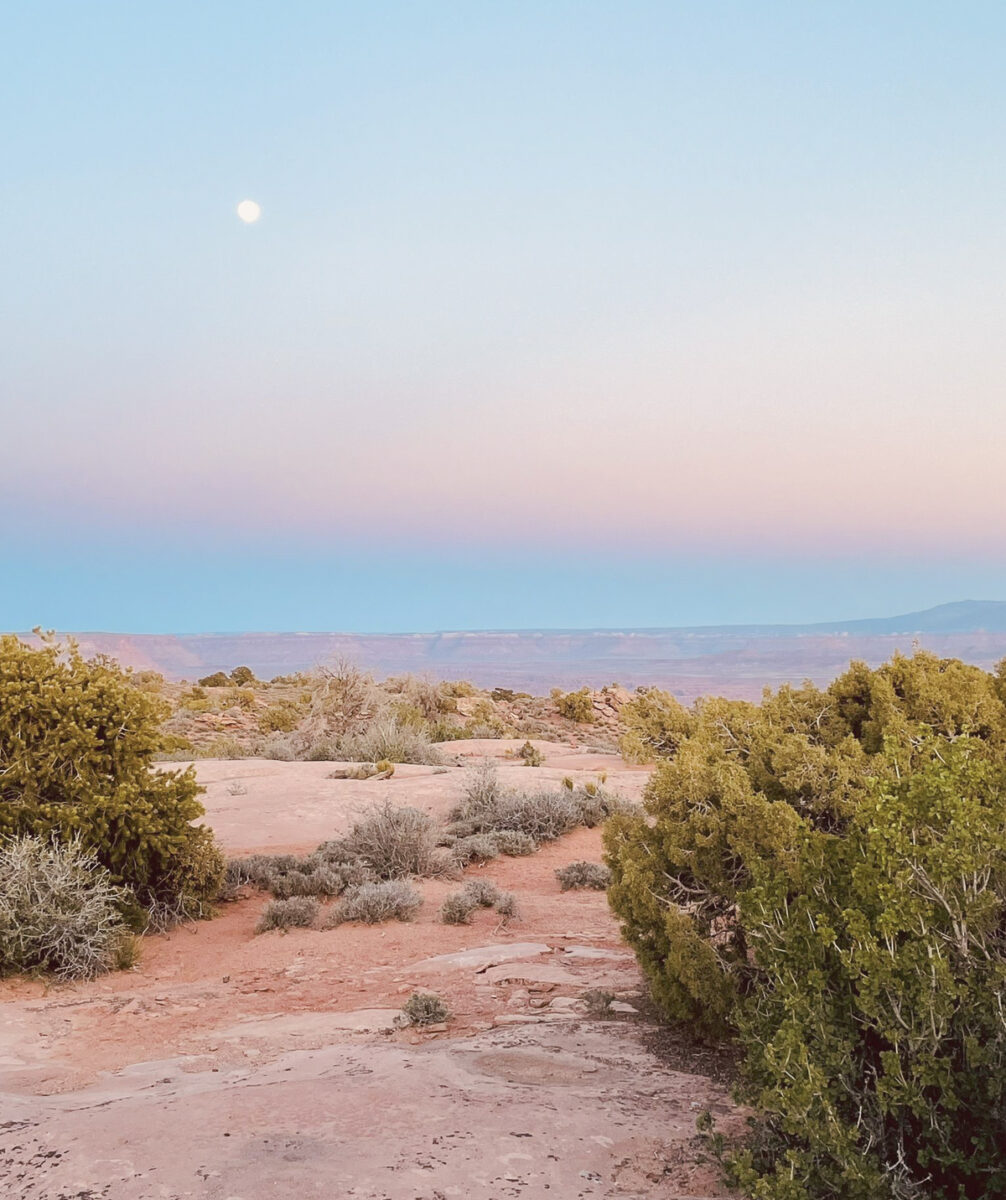
What to pack for Canyonlands National Park Ut
Remember to check the availability and current conditions of these activities and places before you visit, as some may vary by season and due to weather conditions. For a more detailed visiting and backpacking Canyonlands packing list, check out my guide which includes the equipment I use.
- Appropriate Clothing: The desert can have extreme temperature variations. Pack lightweight, breathable clothing for the day, and warmer layers for the evening. In colder months, bring thermal layers, hats, and gloves. Check out my guide to what to wear hiking in hot weather.
- Hiking Boots: Good quality, broken-in hiking boots or shoes like trail runners, are a must for rugged trails.
- Hydration: Carry plenty of water – at least one gallon per person per day is recommended. A reusable water bottle or hydration bladder can be very useful.
- Food/Snacks: Pack high-energy snacks like granola bars, nuts, and dried fruit. If you’re planning to camp, bring appropriate camping meals.
- Sun Protection: A hat, sunglasses, and sunscreen are a must in the desert environment.
- Navigation Tools: A map, compass, or GPS device can be helpful, especially in remote areas like The Maze.
- Camping Gear: If you’re planning to camp, you’ll need a tent, sleeping bag, sleeping mat, camping stove, and cooking equipment.
- First Aid Kit: Always carry a basic first aid kit with band-aids, antiseptic wipes, tweezers, etc.
- Headlamp/Flashlight: Useful for camping and exploring after dark.
- Multi-tool: A multi-tool can be handy in many situations.
- Binoculars: Great for wildlife viewing and getting a closer look at rock art or distant geological formations.
- Camera: You’ll want to capture the park’s breathtaking views.
- Trash Bags: Remember to pack out all your trash to keep the park clean.
- Backpack: A good daypack or backpack is necessary to carry all your gear.
- Permits and entrance fees/passes: If you are exploring the backcountry, don’t forget your Canyonlands permits. You’ll also need your entrance ticket or Parks Pass.
Remember, this is a basic list and you may need to add items depending on your specific needs, activities, and the time of year you are visiting.
Best Time to Visit Canyonlands National Park
Canyonlands National Park is open year-round, and the best time of year to visit Canyonlands National Park really depends on your preferences for weather and crowd levels.
- Spring (March-May): Average highs range from 60°F (15°C) to 80°F (26°C), with lows from 30°F (-1°C) to 50°F (10°C). Spring usually sees milder temperatures and desert wildflowers, but it can also be unpredictable with occasional rain and late-season snowstorms.
- Summer (June-August): Average highs range from 90°F (32°C) to 100°F (37°C), and lows from 60°F (15°C) to 70°F (21°C). Summers can be very hot, particularly in the lower areas of the park. Thunderstorms are common in late summer.
- Fall (September-November): Average highs range from 70°F (21°C) to 85°F (29°C), with lows from 40°F (4°C) to 55°F (12°C). Fall can be an ideal time to visit with pleasant temperatures and fewer crowds, but nights can start to get chilly.
- Winter (December-February): Average highs range from 30°F (-1°C) to 50°F (10°C), and lows can drop below freezing. Winters are cold, and snow can make some roads and trails impassable, but the park is quiet and the snow-dusted landscapes can be beautiful.
Remember, that Canyonlands weather can be unpredictable, so always check the forecast before your trip and before heading out for the day.

Where to stay when visiting Canyonlands National Park
You’re most likely to be either camping near Canyonlands or staying in a hotel in Moab. Take a look at my guide to Moab if that’s where you’re basing yourself while visiting Canyonlands National Park. Here are a few suggestions for the top hotels near Canyonlands National Park.
There are no hotels in Canyonlands National Park and not much just outside of the park’s borders besides the hotels in Moab, Utah which is where I’d recommend you stay.
While you can go camping in Canyonlands, if you want a hotel, below are some of the best hotels in Moab and a glamping option that still feels luxurious!
Moab is a popular destination throughout the year. Even in late April, we found that nearly all accommodations were booked. Because of this, we recommend that you book your Moab accommodation well in advance.
Best Moab Hotels
- Radcliffe Moab: This 3-star accommodation features an outdoor pool, a communal lounge, and a restaurant. Some rooms come with city views or a terrace. You can also enjoy vegan and gluten-free breakfast options, as well as a hot tub for relaxation.
- The Gonzo Inn: The hotel boasts a seasonal outdoor pool and a terrace. All rooms are air-conditioned and equipped with handy amenities such as a coffee maker, fridge, and microwave. An assortment of breakfast choices are offered and an on-site restaurant serves American and Italian dishes.
- Red Cliffs Lodge: Situated along the Colorado River, this resort offers amenities like a horse corral, a Western film museum, and even a winery. Each suite is complemented with a private patio showcasing creek or river vistas.
- Hoodoo Moab, Curio Collection by Hilton: Renowned for its scenic location, comfortable rooms, and outstanding restaurant, this luxurious hotel promises an enjoyable stay. The rooms are modern and tranquil, featuring upscale bathrooms.
- Moab Springs Ranch: A 3-star accommodation with a garden, terrace, and an in-house restaurant. Some rooms are equipped with a kitchenette. The hotel also provides a hot tub, barbecue facilities, and opportunities for hiking.
- Under Canvas Moab: These unique tent lodgings offer breathtaking views, BBQ amenities, and a choice between basic tents with shared bathrooms or luxury tents with private bathrooms and lounges. Bicycle rentals are available for guests to explore the local desert trails.
National park camping Canyonlands
Canyonlands National Park offers several options for camping within its boundaries, both in developed campgrounds and in backcountry sites.
- Island in the Sky Campground: This is the only developed campground in the Island in the Sky District, located near the visitor center. It has 12 sites available on a first-come, first-served basis. Each site includes a picnic table, fire grate, and vault toilet. There’s no water available at the campground, so you’ll need to bring your own.
- The Needles Campground: This campground in the Needles District has 26 sites and three group sites. Some sites are available for reservation during the spring and fall, while others are first-come, first-served. Amenities include picnic tables, fire grates, and flush toilets. Water is usually available year-round.
- Backcountry Camping: Backcountry camping is permitted in all districts of the park, but you’ll need a permit. These sites are primitive, with no water or toilet facilities. The locations of these sites vary greatly, from riverside beaches to high benches with sweeping views. Some backcountry sites are accessible by 4WD vehicles or by canoe/raft, while others require hiking in.
Information on how to book and the cost of campgrounds in Canyonlands National Park can be found on the Parks Service website.
Camping Near Canyonlands National Park
If campgrounds within the park are full or if you’re looking for different amenities, there are several other camping options in the surrounding area.
- Dead Horse Point State Park: This state park is located close to the Island in the Sky District and has a campground with RV and tent sites, as well as yurts. The campground offers modern amenities like electrical hookups, showers, and flush toilets.
- BLM Campgrounds: The Bureau of Land Management (BLM) manages several campgrounds along the Colorado River outside of Moab, such as the Goose Island, Big Bend, and Granstaff campgrounds. These sites are available on a first-come, first-served basis and offer basic facilities like vault toilets and picnic tables. They’re usually free campgrounds too but sometimes a small fee will apply.
- Private Campgrounds: The town of Moab has several private campgrounds that offer a wide range of services, including RV hookups, cabins, showers, and sometimes even swimming pools and Wi-Fi. Some of the best campgrounds in Moab are Up the Creek Campground and Archview RV Resort + Campground.
- Dispersed Camping: Dispersed camping is allowed in designated areas on BLM land surrounding the park. These sites don’t have any facilities, but they’re free to use.
Remember to always follow campground rules and regulations, and practice Leave No Trace principles to minimize your impact on the environment. It’s also a good idea to reserve your campsite in advance if possible, especially during the busy spring and fall seasons.
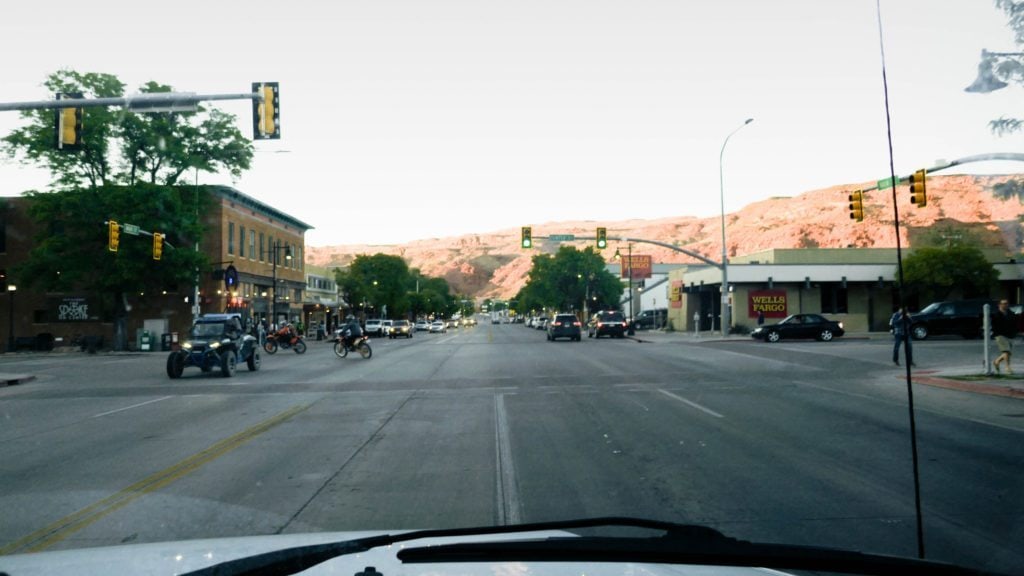
How to get to Canyonlands National Park
Canyonlands National Park is located in southeast Utah, and while remote, it is accessible by car, air, and limited public transportation.
Driving to Canyonlands National Park
The park has three districts, and each one has a separate entrance. There is no road that directly connects these districts within the park.
- Island in the Sky: This district is the most accessible and is about 32 miles (40-45 minutes) from Moab via UT-313.
- The Needles: This district is located about 74 miles (1.5 hours) from Moab via US-191 and UT-211.
- The Maze: This is the least accessible district and can take anywhere from 3 to 6 hours to reach Green River, UT, depending on road conditions and your vehicle. The Hans Flat Ranger Station, the access point to the Maze, is reached via 46 miles of graded dirt road off of UT-24.
Flights to Canyonlands National Park
The closest airport to Canyonlands National Park is Canyonlands Field Airport (CNY) located about 18 miles north of Moab. Direct flights are available from Denver and Salt Lake City.
Skyscanner is what I use to find cheap flights.
From the airport, you can rent a car to reach the park. It takes about 35-40 minutes to reach the Island in the Sky district and about 1.5 hours to reach the Needles district from the airport.
Public Transport + Canyonlands Tours
Public transportation to Canyonlands National Park is limited. There is no public bus or shuttle service directly to the park. However, some private companies in Moab offer shuttle services to the Island in the Sky and the Needles District, or you can book a guided tour from Moab to Canyonlands National Park.
Some of the best-reviewed tours of Canyonlands are detailed below:
- Canyonlands National Park Half-Day Tour from Moab: A half-day 4WD adventure from Moab, to explore the rugged, red stone interior of Canyonlands National Park. Experience the beauty of the Island in the Sky District and Gooseneck Overlook. Drive down the switchbacks of White Rim Road, and see the remains of ancient Pueblo civilizations.
- Canyonlands National Park Backcountry 4×4 Adventure from Moab: Discover the beauty and ancient legends of Canyonlands National Park on a 4WD tour from Moab. Go off-roading in a Jeep to reach the Island in the Sky district and other remote areas, where the Colorado River slices through steep ravines and ancient Pueblo rock art decorates the sandstone cliffs. Hold on tight as your driver and guide navigate the switchbacks of Shafer Trail, and fill your camera roll with amazing perspective shots of the red-rock canyons.
- Private Morning or Sunset Tour of Canyonlands NP & Dead Horse Pt: This non-bumpy, highly interactive tour includes an optional short walk to Mesa Arch as well as visits to Canyonlands and Dead Horse Point
- Discover Moab in A Day: Arches, Canyonlands, Dead Horse Point: Visit all 3 of Moab’s National Parks in a small group making many stops for photos and short walks (optional).
Distances from Major Nearby Cities & Towns
- Salt Lake City, UT to Island in the Sky: 232 miles (about 4 hours via I-15 S and US-6 E)
- Denver, CO to Island in the Sky: 354 miles (about 6 hours via I-70 W)
- Las Vegas, NV to Island in the Sky: 450 miles (about 6.5 hours via I-15 N)
- Moab to Canyonlands National Park: 30.2 miles (about 35 minutes via UT-313 W)
- Canyonlands national park to Arches national park: 26.2 miles (about 30 minutes via UT-313 E)
Remember, these travel times can vary depending on road conditions, weather, and traffic. Always check the current conditions and routes before you begin your trip.

Other things to know before visiting Canyonlands National Park
- Pet Policy: Pets are not allowed on hiking trails or on four-wheel-drive roads, even if they remain inside a vehicle. They are only allowed in developed campgrounds, along paved scenic drives, and in parking lots.
- Preserve Cultural Sites: Leave no trace. It’s crucial to preserve the park’s cultural heritage: do not enter, alter, damage, or deface archeological sites. Picking up or collecting artifacts is prohibited.
- Vehicle Restrictions: ATVs and OHVs are not permitted within the park. Only street-legal vehicles are allowed on the park’s backcountry roads.
- Stay on Designated Paths: To protect the delicate desert environment, always stay on trails and roads. Leaving the path can cause erosion and damage vegetation.
- No Wood Fires: Wood fires are prohibited throughout the park. Campfires are allowed only in designated fire grates in the developed campgrounds using charcoal or camp stove fuel.
- Hydration is Crucial: The desert heat can be dangerous. Drink at least one gallon of water (4 L) each day during the summer. Always carry plenty of water with you.
- Cold Winters: Canyonlands National Park weather can be very cold in winter, making some areas of the park inaccessible due to snow and ice. Check current conditions before your visit.
- Carry Essentials: Always carry your ‘10 essentials,‘ including a topographic map, adequate clothing for changing weather, and a flashlight.
- What to Do if Lost: If you become lost or separated from your group, remain in one place to make it easier for rescuers to find you.
- Flash Flood Dangers: Canyonlands weather can be unpredictable. Flash floods can occur without warning. Never cross a flooded wash or canyon.
- Lightning Safety: During a lightning storm, avoid lone trees, cliff edges, and high ridges. Seek shelter in your vehicle if possible.
- Cliff Safety: Be extra careful near cliff edges, especially when rock surfaces are wet or icy. It’s easy to slip and fall, and rescue can be difficult and take a long time in this remote area.
- Wildlife Safety: Keep a safe distance from wildlife. Never feed animals, as it can harm their health and alter natural behaviors.
- Cell Coverage: Cell phone coverage is very limited within the park. Do not rely on your phone for navigation or emergency services.
- Plan Ahead: Due to the park’s size and remoteness, plan your visit well in advance. Research the areas you plan to visit, make necessary reservations, and have backup plans.
- Respect Other Visitors: Keep noise levels down and let nature’s sounds prevail. Be courteous on trails and roads, allowing others to pass.
Remember, this park is a preserved area for everyone to enjoy. Treat it with respect and leave it as you found it for future visitors to appreciate.

FAQs about Canyonlands Utah
Do you need a reservation for Canyonlands National Park?
How long to visit Canyonlands National Park?
Where is Canyonlands National Park United States?
Can you just drive through Canyonlands?
Final thoughts on this Canyonlands Guide
The Utah Canyonlands National Park is an incredible place to explore. From the accessible Island in the Sky District with its easy trails and beautiful rock formations like Mesa Arch, to the more remote areas of The Rivers District and The Maze, there’s so much to see and do in Canyonlands National Park.
If you’re spending more time in this part of Utah, be sure to check out these guides to the best things to do in Bryce Canyon National Park, and what to do in Zion Utah. There’s also this guide to Arches National Park as well as all my USA travel guides from our three-month cross-country road trip in America.
Last Updated on August 15, 2023 by Hannah

Hannah started That Adventurer after graduating back in 2013 and has documented all of her adventures since then. From backpacking South America to city breaks in Europe, a 3 month road trip across the USA in a self-converted van and 6 years living in Canada, you’ll find posts on all of this.
Hannah specialises in active travel and on That Adventurer you’ll find hiking, walking, biking, skiing and all sorts of active travel guides to allow you to see a destination in an adventurous way.
Now back in Europe, you’ll find new guides as Hannah and her husband spend the next year ‘digital nomading’ from Norway to Portugal, Switzerland to Scotland and places in between.


