Spearhead Traverse Packing List
Embarking on a multi-day ski touring trip can be an exhilarating and daunting experience, especially when it comes to knowing what to pack. You’re going to have to carry all that gear on your pack while touring uphill and skiing down it. While you want to be as light as possible, you still need quite a lot of equipment so it’s challenging knowing what to pack for skiing.
Having completed the beautiful and challenging Spearhead Traverse in Whistler, BC, as well as other overnight ski touring trips including a trip to the Kees and Claire Hut, I have firsthand experience in knowing what to pack for ski touring trips.
Finding a comprehensive and reliable packing list for the Spearhead Traverse can be a challenge and ultimately the exact packing list you decide on will probably be personalised to you.
I highly recommend taking a test run and doing a shorter overnight ski touring trip like one to the Kees and Claire hut. This hut is located in the Spearhead Range and provides a perfect opportunity to get a feel for the terrain and conditions. Taking notes on what works and what doesn’t can help you refine your packing list.
Additionally, hiking and camping trips in the backcountry can also be helpful to figure out your essential items for the Spearhead Traverse. The gear required for multi-day backcountry hiking trips isn’t too dissimilar from ski touring gear and you’ll get the experience of what it’s like to carry all that gear on your back too.
So, what should you pack for the Spearhead Traverse? Below, I’ve included everything I packed for my three days on the Spearhead Traverse. Whether you’re a seasoned backcountry skier or a beginner, this list will provide you with a solid foundation for your upcoming adventure.
Backcountry Ski Gear List

This ski touring packing list is broken down into several categories so you can run through it and check everything off once you’ve got it packed!
Important: It (hopefully) goes without saying that you should not attempt a ski touring trip unless you have at least done AST 1 and have all your essential gear with you (shovel, transceiver, probe). You must also be confident that you know how to look for avalanche danger and plan routes to avoid it and never go into the backcountry alone. Always check avalanche conditions before you go ski touring and play it safe
Skiing Equipment
You’d think you wouldn’t forget your ski gear, you’re going on a ski trip after all.
But, if you’re someone with multiple pairs of skis, you’d be surprised how easy it is to pick up the wrong ones.
My husband did this once before we went ski touring up Hollyburn Mountain and it was only as we went across Lions Gate Bridge that he remembered he’d got his resort skis rather than his touring ones.
Luckily we weren’t too far from home, but you don’t want to have made it all the way to the start of your ski touring trip only to find you’ve got the wrong skis!
When it comes to ski touring there are also several others things you’ll need to remember to pack!
Skis with touring bindings
First up, it’s your skis! If you’re doing an overnight ski touring trip then you’ve likely already done a few ski touring days and probably have your own skis.
If not, there are several stores where you can rent lightweight skis with touring bindings. In Whistler, there’s Escape Route and Valhalla in Squamish if you’re heading to Whistler from Vancouver.
My skis are Elan Ripsticks. They’re light but I use frame bindings which weigh them down.
While I wouldn’t necessarily recommend this, I did manage to do the Spearhead Traverse with these heavier bindings which goes to show you don’t have to have the most expensive gear out there (although you’ll probably appreciate it!).
Ski boots
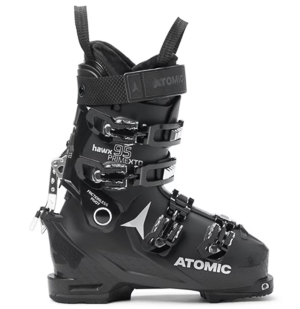
Don’t forget your ski touring boots either! I wouldn’t recommend renting touring boots for a multi-day ski touring trip as who knows what pain they’ll inflict on your feet?!
Most boots you’ll tour in will have a walking mode.
Again, mine don’t and they’re pretty heavy, but they’re comfortable and were what I had. Plus I got bonus points for making it through the weekend as the only woman and with the heaviest gear ?.
Unless you’re rebuying a pair of boots of a brand you’re familiar with, I wouldn’t recommend getting your ski boots online.
You really should be getting them at a store where they can fit them and mould them to your feet so that you’re comfortable.
I promise you the last thing you want is uncomfortable boots or blisters while you’re ski touring!
Ski poles
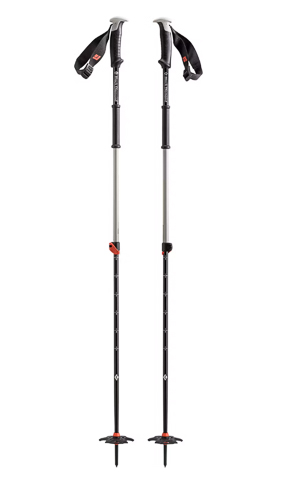
Your choice whether you want to go collapsible or not. I have collapsible poles but didn’t end up changing the length of them much throughout our ski traverse.
As long as you’ve got some ski poles, you’re good to go.
Ski socks + comfy socks

I packed one pair of ski socks and then another pair of comfy socks that I put on once we’d reached camp to give the ski socks (and my feet!) time to dry out.
When it comes to ski socks, I’ve been using the same Darn Tough pair for about 6 years now. They’re still great and when it’s time to get some more pairs I’ll likely get the same.
Ski crampons
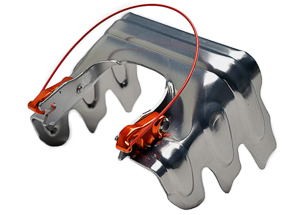
Ski crampons were recommended for our trip but we didn’t end up needing to use them. They attach near your bindings and will give you a bit more grip when you’re touring in icy conditions.
It’s better to have them and not use them than to need them and not have them.
You need to make sure they’ll fit your specific bindings and skis.
Helmet
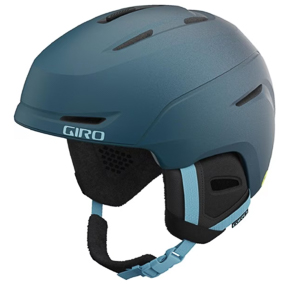
Most people wear a ski helmet when they ski these days and I don’t know why you wouldn’t.
Make sure you take one with you!
Googles + different lenses
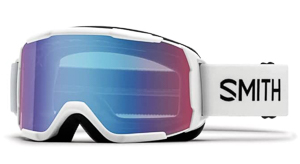
Remember your ski goggles!
I also highly recommend taking a couple of lenses that you can change in and out of your goggles.
If it’s sunny then you’re going to want different ones to times when there’s low light or it’s a bit misty.
Ski straps
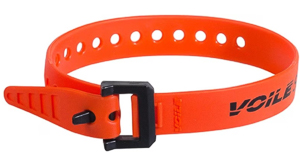
Ski straps have so many uses! They’re lightweight and easy to pack, make sure you take a couple with you.
You can use them to strap your skis together when carrying them on your backpack, or to fix your bindings should you lose a screw – I know that one first hand!
Ski touring skins
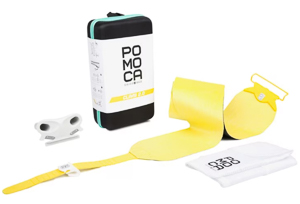
Don’t forget your climbing skins for your skis! You won’t be getting uphill without them.
If it’s your first time using them make sure you don’t turn up ready to go and pull them straight out of the packet expecting them to fit.
You’ll have needed to fit them to your skis already. They come with a trimming tool to do this at home but they won’t work unless you’ve already done this prior to your ski tour!
A map and/or GPS device with the route
There are no signposts when you’re out on the Spearhead Traverse which means you’ll need a map and some sort of GPS navigation.
Since my group did the Spearhead Traverse with a guide (highly recommend Dave from Altus) this wasn’t something we really needed to think about
But, if you’re doing this without a guide then you’ll need to be really clued up on the route, your exit options and the terrain that you’ll come across.
Climbing/Glacier Gear

For the Spearhead Traverse and other ski touring trips like it, you’ll need climbing and glacier gear. This was provided for us by our guiding company and included:
- A rope
- Glacier harnesses
- Crevasse kit (2 prussic, 2 locking biners, 2 non-locking biners)
- Ice Axe
- Belay device
Avalanche Gear
You should never ski tour without your avalanche gear and make sure you know how to use it. Make sure you’ve got your:
- Transceiver (with new batteries) – This is the one I use
- Shovel
- Probe
- Spare batteries for your beacon
You can get the three essentials as a kit too which is what I ended up doing.
Clothing

You won’t want to pack lots of different clothing items as it’ll just weigh you down. Here’s what was on my packing list for the Spearhead Traverse.
Gloves or mittens

I like to wear mittens for skiing downhill to keep my hands toasty.
Hestra gloves are widely regarded to be some of the best ski gloves on the market and keep your hands super toasty!
Light gloves

You should also take some lightweight gloves for when you’re climbing and ski gloves are too much but it’s too cold to not wear gloves. I just use a pair I run in from MEC.
You can also wear a thin but insulating pair made for touring or x-country skiing.
Thermals / Base Layer


I wore my base layer top as my main layer under my bib and used the thermal pants to stay warm once we’d arrived at camp.
My favourite thermals are Kari Traa at the moment.
We had quite warm weather during our ski tour on the Spearhead so I didn’t need to wear my thermal bottoms underneath my big. If you’re skiing in colder weather you may want to wear both top and bottom thermals and pack a spare pair for camp.
Ski pants / bib

You’ll want something lightweight, without insulation (or not much!).
I like my Flylow bib pants as there are lots of zips to let more air in and stay cool and the bibs have lots of pockets for snacks!
I personally prefer a bib to just pants, but that’s a personal choice.
Ski jacket

My ski jacket is lightweight and I just layer up underneath.
Depending on where you’re going, having a gore-tex layer may be vital (always good on the West Coast!).
Arc’teryx outer layers are super popular, but it doesn’t matter what the brand is as long as they’re waterproof and light so you’re not getting super sweaty. You want lots of light layers that you can take on and off as you need!
Puffy insulated jacket

Synthetic is preferred, especially if you’re expecting snow/rain while on your trip since it dries out quicker.
I risked it with my down sweater hoody from Patagonia and it was fine in the end.
Another popular option is the Arc’teryx Atom which is built for activities like ski touring and offers a surprising amount of insulation for such a light jacket.
Lightweight mid-layer
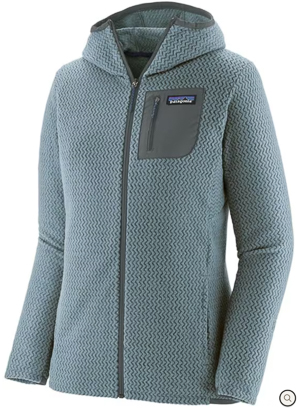
My mid-layer is the Patagonia R1 fleece. It’s way warmer than it looks!
You could also use the Arc’teryx Atom in this case too if you have another good insulating layer.
Sunglasses or Glacier Glasses

You need good sunglasses at the very least and ideally glacier glasses which provide a bit more coverage around the side of your eyes.
A few of us had pretty sore eyes after our weekend on the Spearhead since it was so sunny!
Hat / Baseball Cap
I took both a woolly hat for the evenings and wore a baseball cap during the day.
Underwear & Sports Bra
Self-explanatory! I like the Lululemon Energy Bra and their sweat-wicking underwear.
Down pants (optional)

These are completely optional but they’re nice to have if the forecast is looking cold and windy.
These down pants (they’re not full length, mostly just around your upper thighs) are super cosy and will make you feel snug and warm in your tent when it’s freezing outside.
Winter Camping Equipment

Since the Spearhead Traverse doesn’t have all its huts built yet, we camped for two nights. Here’s what we took.
3/4-Season sleeping bag

My sleeping bag is rated to -9ºC which might not be warm enough depending on what time of year you’re going.
I was still pretty chilly the first night, but the second night was much better.
Sleeping mat
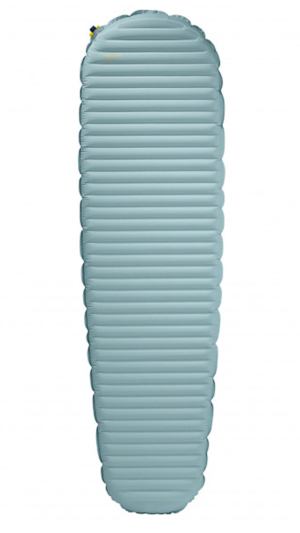
Take a good lightweight sleeping mat and you’ll have a more comfortable, warmer night’s sleep!
Thermarest sleeping maps are renowned for being high quality, and lightweight and they have models which offer a good amount of insulation which is just what you want when you’re sleeping on the snow!
3/4 Season tent

You’ll need a good tent that can stand up to wind and lock some heat in.
You can rent a tent if you don’t think you’ll get much use out of it. In the end, we just used our MSR tent but had it been much windier it may not have stood up to those conditions. It’s a good idea to have some snow stakes to peg it down too.
Hut booties

At the end of the day, you’ll be desperate to get those ski boots off and slip into something more comfortable.
Hut booties pack down quite small and keep your feet toasty. Get ones with some water-resistant soles so that you can walk from tent to shelter without getting them soaking wet.
Water bottles

We each carried around 1.5 litres of water with us at all times. I used a collapsable bottle I use for running and my Nalgene which doubled up as a hot water bottle overnight.
Spare t-shirt
I packed one t-shirt to switch into at camp and overnight. This gave me time for my base layer to dry out before the following day and putting on a dry layer helped keep me warm once we stopped touring.
Buff

Buffs are always useful! The buff I have is warmer than their standard make and I highly recommend them for skiing.
They don’t get as soggy as quickly as the standard ones do and they’re so much warmer!
Battery pack + phone cable

If you’re relying on your phone for navigation and/or photos packing a battery pack is a good idea to keep your phone running.
Don’t forget to take the correct charging cables either!
Headlamp

Make sure you’ve got a fully charged headlamp too, or some spare batteries if you’re using one that takes batteries. My personal favourite is the Biolite headlamp, but lots of people love the Black Diamond Spot headlamps.
Cooking equipment
Our guide provided the gas and stove but if you’re going unguided don’t forget to pack them yourself! You’ll also want a spoon/spork and a bowl or mug.
I like collapsible bowls and collapsible mugs as they take up less room in your pack.
Toiletries
You’ll want some basic hygiene items too.
- Toothpaste
- Toothbrush
- Deodorant
- Baby wipes
- Sun cream
- Lip balm with SPF
Food – What to eat on the Spearhead Traverse

Knowing what and how much food to pack is difficult and it’s a bit of trial and error. We packed the following:
- Instant oatmeal for breakfast with added trail mix. Instant coffee
- Pre-made turkey & cheese bagels
- Snacks: Trail mix with M&Ms added, Hornby bars, homemade energy balls (oat, choc, peanut butter), Twix bars, cheese strings
- Dinners: Dehydrated meals (Pad thai and mac & cheese!)
Misc. Items

A few other things you should bring!
First aid kit & Ski repair kit

Pack a first aid kit with some essentials including blister plasters, gauze and a splint.
Between your group having some ski repair items (toe piece etc) is a great idea along with a multi-tool.
ID + credit/debit cards
For when you get back down to Whistler and want to celebrate with a beer!
Garmin Inreach/SOS device

Someone in your group should have one way of contacting emergency services in case you get in trouble. I use a Garmin Inreach mini.
I also use this whenever I’m out solo hiking or when we’re on backcountry hiking trips and I know there will be no signal on our phones.
Hand/feet warmers

A nice to have if you get cold easily.
I’m always getting freezing cold hands and feet so I’ll usually chuck a couple of hand warmers and feet warmers into my bag whenever I’m going skiing in the resort or alpine ski touring.
Tarp
Our guide bought a tarp/bivy that was his shelter but also our dinner/chill-out space in the evenings (see photo above)
Final thoughts on this alpine touring backcountry pack essentials checklist
When it comes to what to pack for a ski trip in the backcountry, consider the above list as your guide.
Your requirements will vary a little depending on how long you’re going for and whether you’re staying in cabins or in a tent, but for the most part, this ski equipment list is everything you need.
You’ll want to remember your camping equipment for winter camping, plus essential traverse skiing gear like crampons, ice axes, a harness and a climbing rope if you’re traverse skiing over glaciers.
If you’re looking for a more general list of what to pack for a ski trip in the resort, then check out this guide which has my complete skiing kit list that I use for ski vacations and day trips to Whistler, Sun Peaks, Revelstoke and elsewhere.
Last Updated on March 24, 2023 by Hannah
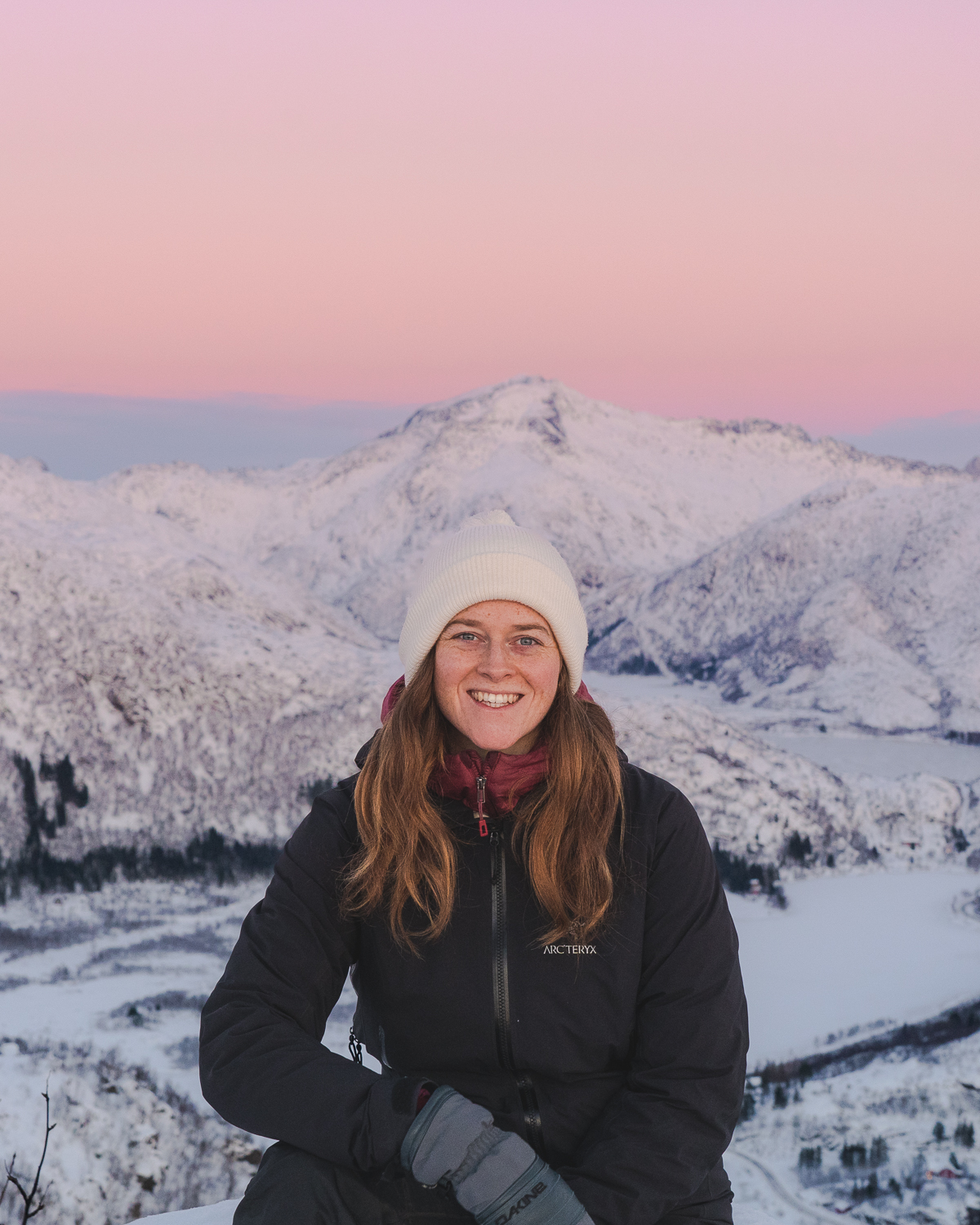
Hannah started That Adventurer after graduating back in 2013 and has documented all of her adventures since then. From backpacking South America to city breaks in Europe, a 3 month road trip across the USA in a self-converted van and 6 years living in Canada, you’ll find posts on all of this.
Hannah specialises in active travel and on That Adventurer you’ll find hiking, walking, biking, skiing and all sorts of active travel guides to allow you to see a destination in an adventurous way.
Now back in Europe, you’ll find new guides as Hannah and her husband spend the next year ‘digital nomading’ from Norway to Portugal, Switzerland to Scotland and places in between.